What Makes Pie Cafe Colorado Springs a Local Favorite
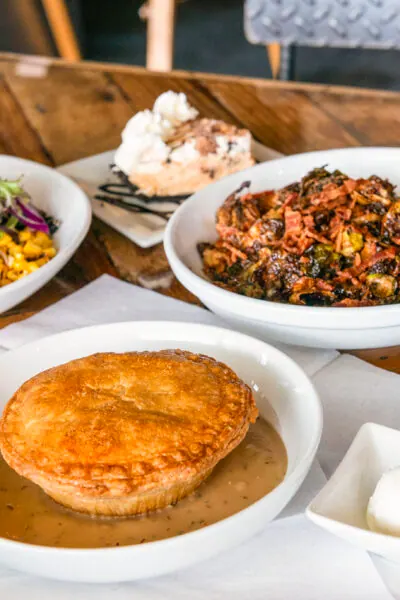
Every city has a few places that become part of the rhythm of daily life. They are not always the biggest, newest, or loudest businesses in town. More often, they are the places people return to when they want something reliable, warm, and satisfying. In Colorado Springs, a neighborhood pie shop can earn that kind of loyalty for reasons that go far beyond dessert.
That is the real story behind the appeal of pie cafe colorado springs. A local favorite is rarely built on novelty alone. It is built on repetition, consistency, and the quiet confidence of doing a simple thing unusually well. People come in for a slice, then come back for a whole pie before a holiday, then stop by later for coffee and breakfast, then bring a friend from out of town. At some point, the place stops being just another stop for food and starts becoming part of the local map people carry in their heads.
What makes a pie cafe stand out in a city with no shortage of coffee shops, bakeries, and casual restaurants comes down to a handful of practical qualities. The pastry has to be right. The fillings have to taste made by someone who understands balance. The service has to feel human. The room has to invite people to stay a little longer than they planned. Most important, the business has to become dependable enough that residents fold it into their routines.
The pull of comfort food done with care
Pie has a built-in advantage as a comfort food. It carries memory better than many desserts do. Cake can feel ceremonial. Cookies can feel casual. Pie sits in a rare middle ground. It works for a weekday lunch, a slow weekend breakfast, a family gathering, or a holiday table. It feels generous without trying too hard.
That matters in a place like Colorado Springs, where dining habits often reflect a mix of practicality and appreciation for quality. People here tend to notice whether food feels honest. A pie cafe wins when it avoids overcomplicating the experience. The customer does not need a theatrical concept or a menu loaded with gimmicks. They need a flaky crust, a filling that tastes like fruit instead of sugar, or a savory slice with structure and seasoning. When those basics are handled well, people remember.
There is also something democratic about pie. A whole tart or an elaborate plated dessert can sometimes signal a special occasion. Pie feels more accessible. One person can stop in for a single slice after work. A family can pick up a pie to share. A retiree can linger over coffee and a forkful of quiche or fruit pie in the morning. That wide appeal gives a pie cafe the chance to serve more than one type of customer well, and that breadth often turns a good shop into a local institution.
Crust is where trust begins
Anyone who has spent time around bakeries knows that crust separates the forgettable from the memorable. People talk about fillings first because flavors are easier to describe, but repeat customers often come back because the crust has the right texture and flavor. A great crust should not feel like an edible container. It should contribute butter, tenderness, flake, and a little structure.
That sounds simple until you consider how many things can go wrong. If the dough is overworked, the crust gets tough. If the fat is not handled properly, the layers disappear. If the bake is rushed, the bottom stays pale and damp. If the filling is too wet, even a good crust loses its crispness. Skilled pie makers know that crust is not a side detail. It is the foundation of the entire product.
Local customers notice this even if they do not use technical language. They may not say, “the gluten development was excessive,” but they will absolutely know if a crust eats heavy or tastes flat. They also recognize when a baker respects contrast. A fruit pie needs enough crust character to stand up to sweetness and acidity. A savory pie needs a shell that can carry rich filling without becoming greasy. A cream pie needs a crust that does not vanish beneath the softness.
When people recommend a place enthusiastically, they often describe that trust in everyday terms. They say the pie is “never soggy,” or “not too sweet,” or “good all the way through.” Those phrases sound casual, but they point to technical discipline. That kind of consistency is a major reason a pie cafe colorado springs can earn loyal regulars.
Sweetness, balance, and the difference between homemade and merely nostalgic
Many businesses lean hard on nostalgia. Some deserve it. Others use it as a shortcut. The difference usually shows up in flavor balance. A pie that tastes genuinely homemade does not just taste sweet. It tastes considered.
Fruit fillings, for example, need acidity as much as they need sugar. Apples require spice restraint and enough structure to avoid turning to mush. Berry pies need thickening that holds the slice together without making the filling gummy. Peach pie has to protect the fruit’s freshness rather than bury it under cinnamon. Cream pies live or die by texture. They should be smooth, rich, and clean-tasting, not cloying or heavy.
Savory pies are even less forgiving. If they are bland, the whole category loses its charm. Good savory pie should feel substantial without becoming dense. Vegetables need to keep some identity. Meat fillings should be seasoned enough to stand on their own. Cheese should support, not smother. The best versions eat like a full meal while still preserving what makes pie distinct from casserole or soup in a crust.
That balance is one of the less flashy reasons locals return. It is the difference between a slice that seems pleasant in the moment and one you think about later. In many cities, the places that endure are the ones where restraint shows up in the right spots. Plenty of people can make dessert sweet. Far fewer know when to stop.
More than dessert, the all-day appeal matters
A pie cafe that becomes a neighborhood favorite often succeeds because it is not locked into a single use case. Dessert alone can make a shop popular, but food businesses become woven into local habits when they serve multiple moments in the day.
Someone might stop in during the morning for coffee and a breakfast pastry or savory slice. Midday, office workers and nearby residents may look for a lunch that feels more satisfying than a chain sandwich. In the afternoon, the room may fill with people catching up over coffee, students working quietly, or parents taking a break after errands. Later in the day, whole pies and take-home slices become an easy answer to the question of what to bring home.
That versatility is practical, and practical usually beats trendy over time. A customer who only visits twice a year for holiday pie is valuable. A customer who comes in two or three times a month because the cafe fits different needs is the kind of customer base that creates local staying power.
The businesses that understand this tend to shape their menus with range but not clutter. They do not try to be everything to everyone. They offer enough variety that a first-time visitor can find a point of entry, while keeping the core identity clear. Pie remains the anchor. Coffee, light meals, or seasonal specials support it.
Atmosphere counts more than owners sometimes realize
People rarely separate food from place as neatly as they think they do. The room matters. So does the pace of service, the sound level, the seating, the smell when the door opens, and the visual cues that tell customers whether a shop wants them to settle in or move through quickly.
A pie cafe benefits from warmth. That does not necessarily mean rustic decor or a staged farmhouse look. It means a setting that feels lived-in and comfortable. Natural light helps. So does visible pastry, a clean counter, and a dining area that does not feel crowded or overly polished. Customers often respond best to places that look cared for rather than heavily branded.
There is also a subtle point here about emotional temperature. A local favorite feels hospitable without performing hospitality. Staff greet people like human beings. They answer questions without impatience. They offer recommendations because they know the menu, not because they are following a script. If a cafe serves excellent pie but makes customers feel rushed or ignored, loyalty tends to flatten out.
Colorado Springs has plenty of residents who value spaces that feel approachable. A pie cafe does not need to be formal to be professional. In fact, many of the strongest neighborhood spots succeed because they understand that ease is part of quality. People want to feel comfortable bringing a colleague, a grandparent, or a child into the same room.
The role of seasonality and local rhythm
Pie is especially good at marking time. That may be one reason it resonates so strongly in a place with four distinct seasons and a strong sense of annual rhythm. Spring calls for brighter fruit flavors. Summer invites stone fruit and berry pies that feel fresh and vivid. Fall brings apples, spice, and deeper baked notes. Winter tends to favor richer textures, holiday staples, and comforting savory options.
When a pie cafe handles seasonality well, customers feel that the menu is alive. Seasonal rotation creates anticipation. People begin to look for certain pies at certain times of year, and that expectation becomes part of the shop’s identity. The return of https://marcosuhv619.currentvale.com/posts/why-pie-cafe-colorado-springs-is-perfect-for-casual-meetups a favorite flavor can drive visits in a way constant menus often cannot.
There is a business discipline to this too. Seasonal baking allows a cafe to keep interest high without constantly reinventing itself. The best local spots do not chase novelty for its own sake. They honor a core lineup while using seasonal offerings to keep the experience fresh.
Holiday periods reveal even more about whether a pie shop has truly become part of the community. Around Thanksgiving, Christmas, and other family-heavy gatherings, people want reliability. They do not want a dessert experiment. They want to know the pie will look right, travel well, cut cleanly, and please a mixed crowd. That kind of trust is earned over years, not marketing campaigns.
Local loyalty is usually built on a handful of repeatable strengths
A neighborhood favorite does not need to dominate every category. It simply needs to be dependable in the ways that matter most.
- consistent baking quality
- welcoming service
- a menu with both signature staples and seasonal variety
- an atmosphere that suits everyday visits
- pricing that feels fair for the portion and craft involved
That list may look obvious, but many shops miss one or two of those marks. In practice, consistency is the hardest of them all. It is relatively easy to impress someone once. It is much harder to serve a slice in February that is as satisfying as the one they had in October. Businesses that manage that are the ones people recommend without hesitation.
Price, value, and why people will pay more for the right slice
Pie occupies an interesting place in the market. It is not usually treated like luxury pastry, but truly well-made pie is labor-intensive. Good butter, fresh fruit, eggs, cream, spices, flour, and time all add up. From the customer’s side, the question is not whether the pie is cheap. It is whether the experience feels worth the money.
People tend to forgive higher prices when three things are true. The portion feels generous enough. The quality is obvious on the plate. The service and setting support the purchase. A slice that tastes exceptional but feels skimpy can disappoint. A large slice with mediocre ingredients rarely inspires a return visit. Value sits at the intersection of flavor, portion, and trust.
This is one reason pie cafes often do best when they remain clear about what they are offering. If the product is scratch-made, customers will usually recognize the difference. If the fruit tastes real and the crust is carefully baked, the value proposition becomes easier to defend. Local diners are generally sophisticated enough to tell when they are paying for workmanship rather than hype.
There is also emotional value. A slice of pie is not only food. It is often a small indulgence, a meeting place, a gift, or a household tradition. That expands what customers are actually buying. They are buying convenience before a family dinner, relief after a long week, or a dependable treat on a cold afternoon.
The little operational details people remember
Some of the strongest reasons a shop becomes beloved are surprisingly small. They live in the details that customers may not mention at first, but absolutely notice.
A clean slice cut matters. A crust that holds together in a takeout box matters. Coffee served hot and tasting fresh matters. So does how the staff handle a line during a rush, whether online ordering is straightforward, and whether boxed pies are packed securely enough to survive a drive home. If there is a seasonal rush, customers remember whether the process felt organized or chaotic.
A veteran food operator can spot how these details affect reputation. People are generous when a local business is trying hard, but they are also quick to build habits. If ordering is easy and the product travels well, they come back. If pickup is confusing every holiday season, they start looking elsewhere no matter how good the pie is.
This is where many local favorites quietly outperform bigger competitors. They understand their traffic patterns, the kinds of orders people place, and the expectations of their regulars. That operational fluency creates comfort. Customers feel that the shop knows what it is doing.
Why word of mouth remains the strongest marketing
For a category as tactile and memory-driven as pie, word of mouth carries unusual weight. People do not just say a place is good. They describe the pie they had, the holiday it saved, the slice they now order every visit, the server who made a strong recommendation, or the afternoon they spent there with a friend. Those stories travel better than generic advertising.
That kind of reputation is especially important in a city like Colorado Springs, where locals often guide each other toward favorite businesses with a mix of pride and practicality. Visitors may search pie cafe colorado springs online, but residents often rely on a neighbor, coworker, or family member to tell them where to go. Once a shop gets folded into those local conversations, it gains a very durable form of visibility.
There is an important limit to word of mouth, though. It only works if the shop delivers repeatedly. One memorable slice can generate a few referrals. Ongoing quality turns those referrals into regulars.
What regulars usually look for before they call a place their own
If you listen to frequent cafe customers over time, their standards become fairly predictable. They are not searching for perfection. They are searching for a place that gets the important things right often enough that they can stop thinking about alternatives.
Regulars usually care about a few practical questions:
- Can I trust the pie to be good every time?
- Is there something here for different moods, sweet, savory, light, or substantial?
- Does the room feel comfortable enough to stay for a while?
- Will pickup or takeout work when I need something easy?
- Does the place feel rooted in the community rather than interchangeable?
A shop that earns strong yes answers to those questions tends to move beyond novelty. It becomes part of people’s routines and traditions. That is what local favorite status actually looks like in daily life.
A local favorite is really a place that keeps its promises
The phrase “local favorite” can sound vague, but in practice it is quite concrete. It means the business has made promises, explicit or implied, and keeps them. The pie should taste like care was taken. The service should feel steady. The atmosphere should support the kind of visit the shop invites. The whole experience should feel coherent.
For a pie cafe, the promises are almost humble. Come in, and you will get something comforting that does not feel careless. Bring home a pie, and it will hold up at the table. Stop by on an ordinary day, and the place will still feel worth the trip. That modest reliability is harder to achieve than flashier concepts make it seem.
That is why pie cafe colorado springs resonates with people when it hits the mark. It is not just about sugar, crust, or nostalgia in isolation. It is about a business creating a dependable experience around one of the most familiar foods in American baking. When that experience is executed with skill, customers respond with the strongest endorsement a local business can earn: they return, they recommend it, and they start treating it as part of the neighborhood.
Once that happens, the cafe is no longer simply serving pie. It is serving continuity, comfort, and a small but meaningful kind of belonging.
3.14 Pi Bar
5152 Centennial Blvd
Colorado Springs, CO 80919
(719) 314-6172
FAQ About pie cafe colorado springs
Does 3.14 Pi Bar serve sweet and savory pies?
Yes. The café serves savory pot pies and seasonal sweet pies made from scratch. Flavors can vary.
Can I order a whole pie to take home?
Yes. The café sells whole sweet pies to take home. Check the current menu for flavors and ordering options.
Does 3.14 Pi Bar offer take-and-bake pies?
Yes. The café offers prepared pies that you can bake at home. Check the current menu for available varieties.