Irish Pub NYC Ideas for Celebrating Special Moments
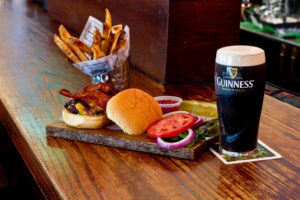
There is a reason so many New Yorkers mark big life moments in a pub instead of a private dining room or a sterile event space. A good pub softens the edges. It gives people somewhere to settle, talk, laugh too loudly for a minute, and feel as if the occasion belongs to them rather than to a venue package. When the setting is an Irish pub in NYC, that effect is even stronger. The room tends to have warmth already built in, from dark wood bars and old mirrors to live music, football on the television, and bartenders who know how to keep a group moving without making anyone feel rushed.
Special occasions need that kind of balance. You want enough energy to make the night feel memorable, but not so much chaos that the guest of honor spends the evening shouting over strangers. You want food people actually want to eat, drinks everyone recognizes, and an atmosphere that can stretch from casual to significant without trying too hard. That is where the right Irish Pub NYC setting can outperform trendier spots.
I have seen birthdays saved by a back room with a working speaker and patient staff. I have seen post-engagement gatherings feel instantly more personal when grandparents could order tea, cousins could split a round, and friends could stay for a final whiskey without anyone pretending they were at a formal banquet. The best pub celebrations work because they are flexible. They let the moment breathe.
Why an Irish pub works for more than St. Patrick's Day
People often reduce Irish pubs to one loud day in March, but the best ones in New York are built for year-round occasions. They are among the few places that can handle mixed-age groups, last-minute additions, and a guest list with wildly different expectations. One person wants Guinness, another wants a dry martini, someone else needs a decent burger, and somebody's aunt wants shepherd's pie. A well-run pub can usually cover all of that without turning into a compromise.
There is also a social ease to the format. Restaurants with formal pacing can make celebrations feel segmented. You sit, you order, you are served, and the bill arrives before the conversation is done. In a pub, the evening can unfold more naturally. People drift in. A first round becomes shared appetizers. Dinner happens if you want it to, then dessert drinks, then one more toast. If the venue has a side room or a semi-private section, you get structure without stiffness.
New York adds another layer. In a city where apartments are small and schedules are packed, a pub often functions as the communal living room people wish they had. That matters for celebrations. Milestones deserve ease, not logistics exhaustion.
Matching the moment to the room
Not every special occasion should be celebrated the same way, and not every pub suits every type of gathering. Some rooms are built for high-volume after-work crowds, while others shine when conversation is the main event. Before picking a place, it helps to think less about the label and more about the room itself.
A birthday for thirty people in their late twenties may benefit from a lively bar area, especially if half the group will arrive in waves. A retirement toast for a longtime colleague usually needs more seating, clearer acoustics, and enough service attention that no one has to fight the crowd for a drink. An engagement party can go either way. Some couples want a polished private room with passed bites and reserved tables. Others want a standing-room gathering with pints, oysters, and live fiddle music in the background.
This is where experience matters. A pub can look perfect online and still fail the test that counts, which is how the space feels at the exact hour you plan to celebrate. If possible, visit at the same time and day of week. A Thursday at 6:30 p.m. Tells you far more than a quiet Monday afternoon walk-through. You will notice sound level, crowd flow, bar wait times, and whether the lighting makes the room feel warm or dim in a not-so-charming way.
Birthdays that feel festive without becoming a production
Birthday parties are where Irish pubs really earn their keep. They are forgiving. Guests rarely need much instruction beyond the address and time, and the host does not need to stage-manage every detail. That said, the best birthday celebrations still benefit from a few smart choices.
For a smaller group, a table reservation near the back of the main room often works better than a private area. People can still absorb the atmosphere, overhear the music, and order easily, but the group remains anchored. For bigger birthdays, especially once you cross roughly fifteen to twenty guests, semi-private space becomes more valuable. It is hard to sustain a conversation when half the group is standing two rows deep at the bar.
Food matters more than many hosts think. A drinks-only birthday sounds simple until guests start fading by nine o'clock. The strongest setup is a compact menu of crowd-pleasers that can arrive quickly and hold up on a table. Sliders, wings, fries, soda bread, and a few substantial plates go further than a complicated spread. You do not need a banquet. You need enough food that nobody is forced to leave early for pizza.
I once watched a birthday host make a smart move that more people should copy. Instead of trying to cover an open bar for three hours, which can get expensive fast in Manhattan, she prepaid the first round for everyone, ordered two large platters to land early, and let the night run from there. It set a generous tone without turning the budget into a guessing game.
Engagement parties with warmth instead of formality
An engagement party in an Irish pub can be excellent precisely because it avoids the https://maps.app.goo.gl/c2ekeyx9WzJPnX1V6 overproduced feeling that sometimes creeps into these events. Couples are often juggling families, friend groups, and wedding questions already. The celebration should feel easy.
The sweet spot is usually a private room or enclosed section with enough space for toasts, casual mingling, and seated breaks. You want guests to move around, but you also want older relatives and family friends to have somewhere comfortable to land. A room with its own bar is ideal, though not essential. What matters more is that service remains dedicated and visible.
Drinks can be simple. Sparkling wine on arrival, a house beer and house wine option, plus a signature whiskey cocktail or Irish mule, is usually enough variety. Food should be generous and sturdy. Mini crab cakes and canapés look nice, but pub fare with a little polish often wins the night. Guests actually eat it, and a fuller room drinks more comfortably.
An engagement party also benefits from rhythm. People need natural moments to gather attention without feeling forced. That might mean a welcome toast after the first twenty minutes, a short speech from parents or siblings, then letting the room relax again. The pub setting helps because it keeps the tone grounded. Nobody expects a choreographed evening. They expect a good one.
Anniversaries, reunions, and family milestones
Some occasions need less spectacle and more soul. Wedding anniversaries, college reunions, retirement gatherings, and family milestone dinners often work best in pubs with character rather than flash. These are events built on stories. You want a room where people can linger over them.
For anniversaries, especially the larger ones, a pub with a fireplace, snug booths, or a traditional dining room can create the right intimacy. The event can stay simple: a cocktail hour, a meal, maybe a favorite song from the couple's era if the venue allows a playlist or has a musician taking requests. The beauty of a pub is that the setting already has texture. You do not need much decor when the room itself feels lived in.
Reunions need different handling. They can sprawl if you let them. School friends or former colleagues tend to arrive with immediate energy, which is part of the point, but that energy needs structure. Long communal tables often work better than scattered seating because they encourage movement without fragmenting the group. If the pub offers name cards or a reserved section with a single welcome sign, even that small touch can prevent the event from drifting into random clusters.
Family milestones, such as graduations, baptisms, promotions, or a parent's big birthday, often involve the widest age range. That is where an Irish Pub NYC venue can quietly excel. Kids can eat familiar food. Adults can relax with a pint or Irish coffee. Grandparents do not feel out of place. Few other formats handle that spread as smoothly.
The practical questions worth asking before you book
Most celebration problems do not come from the idea. They come from the assumptions. Hosts assume the reserved area is more private than it is, or that a minimum spend includes tax and gratuity, or that music will stop at a certain hour when in fact the loudest part of the night starts later. A ten-minute conversation with the manager can prevent most of that.
When you call or visit, ask these questions:
- Is the reserved space fully private, semi-private, or simply blocked off within the main room?
- What is the minimum spend, and does it include tax, service charge, or gratuity?
- Are there food and beverage package options, or can the group order a la carte?
- What happens with music, sports audio, or live performances during our event time?
- How flexible is the headcount if a few extra guests show up?
Those five details shape almost everything else. They tell you whether the event will feel controlled or improvised, affordable or slippery, intimate or noisy.
Budgeting without draining the celebration
There is no universal price point for hosting in New York, and anyone who gives you one neat number is oversimplifying. The neighborhood, day of week, room type, and style of service matter enormously. A Sunday afternoon gathering in an Upper East Side pub may price very differently from a Friday evening buyout in the West Village or FiDi. What you can count on is this: bars and pubs often offer more flexible value than event venues built around banquet packages.
The main budgeting choice is whether to structure the night around a spend minimum, a drinks package, or selected hosted items. In many cases, partial hosting is the strongest move. Covering beer, wine, and a couple of platters creates hospitality without forcing the host to subsidize every premium spirit order. If the celebration is more formal, a timed package can work well, particularly for a set guest count. If it is looser, guests can order beyond the hosted menu on their own tab.
One common mistake is underestimating the importance of timing. An event that starts at 5:30 p.m. And ends at 8:00 p.m. Can feel generous and polished at a much lower total cost than one that runs deep into prime-time Saturday night. Earlier gatherings are often easier to reserve, easier to staff, and easier on the final bill. They also work well for multigenerational occasions, which do not always want a midnight finish.
Decor is another place where restraint pays off. In a richly designed pub, a few framed photos, flowers, or a small cake table can be enough. Bringing in extensive signage, balloon arches, and custom props can fight the room rather than improve it. The charm of the venue should do some of the work.
Small touches that change the whole tone
The difference between a decent pub gathering and a memorable one often comes down to details that are easy to overlook. A host who gives the venue a pronunciation guide for a family surname avoids an awkward toast. A group that preselects two vegetarian options keeps service moving. A birthday organizer who asks where gifts and coats can be stored prevents a side table from turning into a pileup by seven o'clock.
If you want the evening to feel personal, think in terms of gestures rather than production. A printed menu insert with a short note for an anniversary couple can mean more than expensive centerpieces. A reserved whiskey flight for a retirement guest of honor can create a real moment without adding much complexity. If the pub has live music, ask whether a request is possible, but do it graciously and with realistic expectations. Musicians remember polite groups.
This is also where understanding your crowd matters. Some groups genuinely want speeches. Others wilt under them. Some want a cake brought out with noise and applause. Others would rather the slices appear quietly after dinner. Good hosting is not about copying what looked fun on social media. It is about reading the room before the room exists.
When live music helps, and when it gets in the way
Live music can transform a pub celebration, but only if it matches the event. For birthdays, reunions, and casual engagement parties, acoustic sets or traditional Irish sessions can lift the mood and give the night shape. Music creates peaks in the evening, makes pauses feel intentional, and often encourages guests to stay longer.
For events built on long conversation, however, live music can be a trade-off. If speeches matter or several generations need easy conversation, ask how close the musicians will be, when they begin, and how the sound carries. A side room with a door may solve the problem. So may scheduling the key toast before the set starts.
One of the best setups I have seen involved a private upstairs room for dinner and speeches, followed by a migration downstairs once the music picked up. It let the event begin with focus and end with energy. That kind of staging works well in pubs because guests naturally understand the transition. It never feels overly managed.
Neighborhood matters more than people admit
When choosing an Irish Pub NYC venue, the neighborhood affects turnout almost as much as the pub itself. Guests will forgive a modest menu before they forgive a painful trip home. Manhattan remains the easiest default for mixed groups, but the right spot in Brooklyn, Queens, or Hoboken can be just as effective if the guest list supports it.
Transit access matters most when the group spans different boroughs or includes older relatives. A pub near multiple subway lines, or with easy car pickup access, reduces stress at both ends of the evening. So does a location with nearby hotels if out-of-town guests are involved. These are not glamorous details, but they influence whether people arrive relaxed or already irritated.
The surrounding block matters too. A celebration does not always end when the reservation does. Guests may want a second stop, late-night food, or simply a safe, easy stroll to the train. A well-situated pub gives the night options. That flexibility is part of the value.
Planning for the edges, not just the center
Every host imagines the heart of the event, the toast, the packed table, the perfect round of drinks. The smoother celebrations come from planning the edges. Who arrives first, and will they have somewhere to gather? What happens if ten people show up twenty minutes late because the train stalled? If someone brings a surprise plus-one, can the venue absorb it? If the cake needs refrigeration, who handles it?
A few practical habits help:
- Confirm the reservation and headcount 48 hours in advance.
- Arrive at least 20 to 30 minutes early to check the room and meet the staff lead.
- Keep speeches brief, ideally under three minutes each.
- Designate one point person for payments, changes, and venue questions.
- Build a little slack into the guest count and budget.
None of this is glamorous, but it is what lets the glamorous part happen. People remember warmth, laughter, and timing. They rarely remember that you thought ahead about coat storage and cake knives, but they feel the benefits when the night flows.
What guests actually remember
After enough celebrations, a pattern emerges. Guests do not judge the evening by whether the floral arrangements matched the menu cards. They remember whether they could hear each other, whether the food arrived before everyone got too hungry, whether the guest of honor looked happy instead of stressed, and whether the room felt alive.
That is why the pub format endures. It is forgiving of human reality. Friends arrive late. Cousins linger. Someone orders a second round for the table. A planned one-hour stop becomes three because the room is good and the stories are getting better. A strong Irish pub supports that kind of spontaneity without letting the night fall apart.
For special moments, that matters more than polished perfection. A birthday should feel like your people came together. An engagement gathering should feel like a beginning, not a performance. An anniversary should feel like history in the room. New York offers endless options for celebrating, but the Irish pub remains one of the smartest because it combines hospitality, familiarity, and enough character to make ordinary gatherings feel significant.
If you choose carefully, ask the right questions, and match the venue to the people rather than to a trend, an Irish Pub NYC celebration can deliver exactly what special occasions need: warmth, ease, and a night that people talk about long after the glasses are cleared.
Hibernia Bar
401 W 50th St
New York, NY 10019, United States
Phone: +1 212-969-9703
FAQ About Irish Pub NYC
What is the best Irish pub in NYC?
The best choice depends on your location and preferred atmosphere. Hibernia Bar is a neighborhood Irish pub in Hell's Kitchen offering Guinness, Irish whiskey, pub food, and sports viewing.
Where do Irish people go in NYC?
New York's Irish community gathers in many neighborhoods and venues. Hibernia Bar welcomes Irish expats, local residents, and visitors at 401 W 50th St, just off Ninth Avenue.
Where can I watch GAA games in New York?
Hibernia Bar lists GAA among the sports it shows. Call +1 212-969-9703 to confirm coverage and opening times for a particular match before visiting.
What is the difference between a bar and a sports bar?
A sports bar emphasizes televised games and a shared viewing atmosphere. Hibernia combines sports viewing with the food, drinks, and hospitality of a neighborhood Irish pub.