Cuban-Inspired Baking Excellence in Aurora CO
Aurora has always rewarded people who pay attention to food. It is a city where family-owned kitchens, neighborhood markets, and immigrant traditions sit close enough to influence one another in real time. That matters when you are talking about baking, because great baking rarely develops in isolation. It grows through repetition, local demand, climate adjustments, and the quiet pressure of regular customers who know exactly how a pastry should feel in the hand and how fresh bread should sound when the crust gives way.
Within that landscape, Cuban-inspired baking brings something distinctive to the table. It combines European technique, Caribbean flavor memory, and a practical understanding of what people actually want to eat more than once. The best examples are never just sweet. They balance richness with restraint, texture with aroma, familiarity with surprise. A proper pastry case in this tradition does not rely on spectacle. It relies on discipline.
Anyone searching for a Cuban bakery Aurora CO residents can return to regularly is usually looking for more than novelty. They want consistency. They want guava pastries that hold their shape without turning gummy, croquetas wrapped in dough that stays light rather than greasy, and Cuban bread with a crust that crackles softly when torn apart for a sandwich. Those details separate a bakery worth visiting once from one that becomes part of a weekly routine.
What makes Cuban-inspired baking distinct
Cuban baking is often described through its most recognizable items, pastelitos, Cuban bread, flan, and savory pastries, but that shorthand misses the craft behind them. The style comes from a long culinary conversation. Spanish baking traditions laid much of the foundation. Caribbean ingredients changed the flavor profile. Migration, especially through South Florida, shaped what many American customers now recognize as classic Cuban bakery fare.
The result is a baking style with a very specific personality. Sweet pastries tend to be bright rather than heavy. Guava appears often, not as a gimmick, but because it delivers acidity, fragrance, and enough body to stand up to laminated dough or cream cheese. Custards are smooth and direct. Savory items are usually built for practical eating, quick breakfasts, working lunches, afternoon coffee breaks. Bread matters enormously, because bread carries a large part of the Cuban table, from a simple buttered roll to a pressed sandwich with pork, ham, pickles, mustard, and Swiss.
There is also a strong sense of rhythm in a Cuban bakery. The morning crowd often wants coffee and savory pastries. Midday shifts toward sandwiches and bread. Later in the day, families stop in for sweets to bring home. That rhythm influences what gets baked when, how inventory turns, and why the best bakeries feel alive rather than staged.
Why Aurora is a good home for this tradition
Aurora is one of those cities where diners are open to specificity. People here do not need a menu to flatten itself into generic terms before they will try something. They are willing to learn a pastry name, notice a difference in dough, and come back for the item that hit the mark. That openness gives specialized bakeries room to do honest work.
Local conditions shape the product too. Colorado’s altitude and dry climate force bakers to make constant technical decisions. Dough ferments differently here. Moisture leaves faster. Sugar work, proofing times, and crust development do not behave the same way they might at sea level. Any bakery producing excellent Cuban-inspired goods in Aurora is not simply following a family recipe card word for word. It is translating that recipe to this environment, batch after batch.
That translation takes skill. A laminated pastry that rises beautifully in Miami can dry out or overproof in Colorado if the baker does not adjust hydration, temperature control, and timing. Bread can stale faster in a dry climate. Fillings may need slightly different handling to maintain texture. When those adjustments are done well, customers may never notice them, which is exactly the point. The pastry still tastes grounded in tradition, but it performs properly in Aurora.
The pastries that define the experience
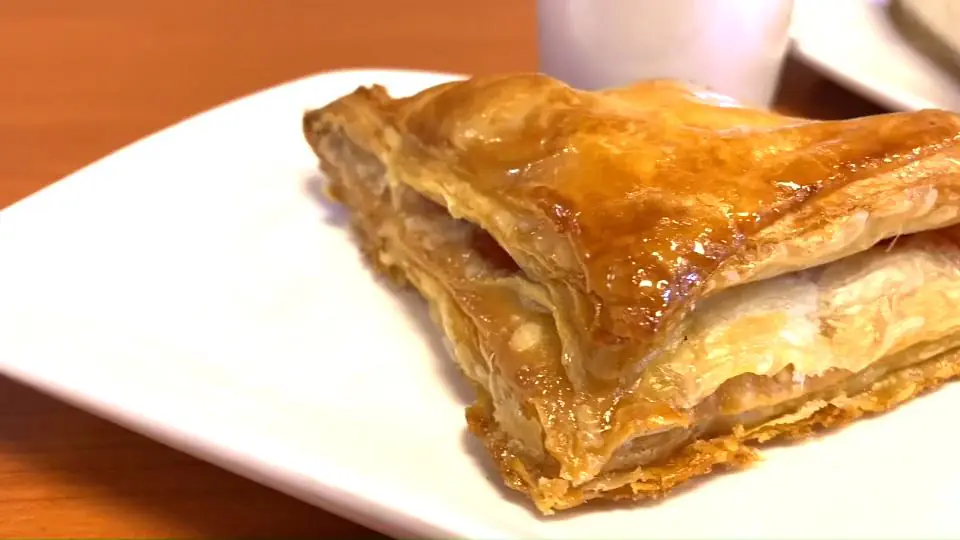
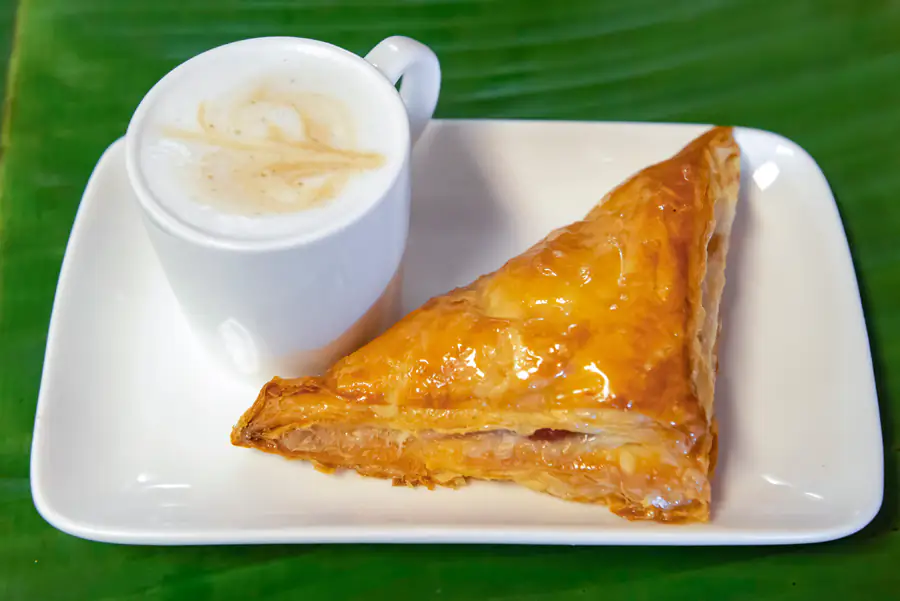
Walk into a strong Cuban-inspired bakery and you can read the seriousness of the operation almost immediately. Look at the pastry edges. They should be distinct, not collapsed into oily blur. Look at the glaze. It should catch the light without drowning the dough. Notice whether the sweet aroma is buttery and fruit-forward or simply sugary. That first impression tells you a lot.
Pastelitos deserve special attention because they reveal both restraint and technical control. A guava pastelito works best when the filling tastes like actual fruit instead of candy. The pastry should shatter lightly, then yield. If cream cheese is included, it should soften the guava’s brightness without smothering it. Too much filling and the pastry turns heavy. Too little and it tastes like sweet air. The best version lands in the narrow space where each bite gives crispness, acidity, fat, and a clean finish.
Savory pastries can be even more demanding. Fillings such as ham, cheese, chicken, or seasoned beef need enough seasoning to stay vivid inside pastry, but not so much salt or moisture that the dough suffers. This is where many bakeries miss the mark. They focus on the filling and forget that the wrapper is doing half the job. A well-made savory pastry should feel integrated. You taste the whole thing, not just the center.
Then there are croquetas and other café staples that often sit beside baked goods in a Cuban bakery setting. While not every item is technically a pastry, these foods belong to the same ecosystem. They are the things people pick up with café con leche before work or add to a tray for a family gathering. Their presence matters because a bakery is rarely just a bakery in the narrow European sense. It is part breakfast counter, part https://fernandobkbw650.iamarrows.com/why-cuban-bakery-aurora-co-is-a-must-visit-spot lunch stop, part social anchor.
Bread is where serious bakers prove themselves
Sweets are what many first-time customers notice, but bread is where professional standards become unmistakable. Cuban bread looks straightforward, which is why mediocre versions are so common. There is nowhere to hide. The loaf needs a thin, crisp crust and a soft interior with enough structure to handle pressing, slicing, or tearing without turning cottony.
In a place like Aurora, getting that balance right is not trivial. Dry air can make a loaf seem perfect for the first hour and noticeably tougher by late afternoon. Skilled bakers compensate through hydration, bake profile, cooling decisions, and production timing. They know whether a loaf is destined for same-day sandwich service or retail sale, and they adjust accordingly.
A good Cuban loaf also carries flavor. It should not taste anonymous. Even mild bread should have a wheat character, a gentle yeasty aroma, and the kind of crumb that supports butter, roast pork, or a swipe of mustard without disappearing underneath them. If a bakery takes bread seriously, everything else usually improves too. The staff handles dough more carefully. Oven management gets tighter. Freshness standards rise across the board.
The role of coffee in the bakery experience
No honest conversation about Cuban-inspired baking is complete without coffee. Pastries and bread draw people in, but coffee shapes the atmosphere and the pace. Cuban coffee service is not background decoration. It sharpens the sweetness of baked goods and gives structure to the visit itself.
Café con leche is the classic partner for many bakery items because it softens edges without muting flavor. Espresso, especially when sweetened in the Cuban style, creates a vivid contrast with buttery pastries and custard desserts. Even customers who come primarily for bread or sandwiches often end up leaving with coffee because the pairing feels natural, almost inevitable.
In a strong bakery setting, coffee service also communicates standards. Is the espresso pulled with care or left to scorch? Is the milk heated properly or blasted into foam? Are drinks served promptly enough to match the tempo of a bakery line? These details matter because they reveal whether the business understands its own tradition as a whole rather than as a collection of disconnected menu items.
What excellence looks like behind the counter
People often talk about authenticity as if it were a costume, but in baking, authenticity is mostly operational. It lives in process. It shows up in the timing of production, the condition of the display case, and the willingness to discard product that no longer meets the standard. You can tell when a bakery bakes for the photograph and when it bakes for repeat business.
Here are a few signs that a Cuban-inspired bakery is operating at a high level:
- Turnover is steady, and staff can tell you what came out recently.
- Pastries hold their shape and texture without looking dried out.
- Bread smells fresh and feels appropriately light for its style.
- Fillings are distinct and balanced, not overwhelmingly sweet or salty.
- Coffee and savory items receive as much care as desserts.
None of those signs require elaborate branding. In fact, some of the best bakeries undersell themselves visually. They put the work into the bake rather than the marketing language. For customers, that is usually a good trade.
The challenge of serving a broad audience without losing character
Aurora’s dining public is diverse in every sense, which is an opportunity and a test. A bakery can easily chase broad appeal by sanding down everything that makes its product distinctive. It can sweeten more aggressively, simplify spice profiles, or overfill pastries to create the illusion of value. Those choices may attract impulse buyers for a while, but they rarely build real loyalty.
The smarter approach is to stay legible without becoming generic. That might mean keeping core Cuban bakery standards intact while adding a few items that speak to local habits. It might mean offering familiar sandwich combinations alongside more traditional pastries. It may also involve patient customer education at the counter, the kind that happens naturally when staff can explain the difference between one item and another in a sentence or two.
That balance is part of what makes a great Cuban bakery Aurora CO locals can claim with pride. The bakery should feel rooted, not imported as a performance. It should serve longtime fans of Cuban baking and people trying it for the first time. That kind of range is difficult, but when it works, the bakery becomes a neighborhood reference point.
How freshness changes the whole equation
Freshness is not a buzzword in baking. It changes everything, especially with laminated doughs, enriched breads, and custard desserts. A pastry that is excellent at 8:30 in the morning may be merely acceptable by late afternoon. Bread can move from supple to tired in a few hours. Flan and other chilled desserts need careful holding to preserve texture and clean flavor.
That does not mean every good bakery should be expected to keep every item at peak condition all day. Real bakeries manage finite labor, oven space, and demand. The better question is whether the bakery understands which items need multiple bakes, which should be made in smaller runs, and which are worth retiring for the day once quality slips.
Customers can benefit from learning that rhythm. If you care deeply about pastry texture, earlier is usually better. If you want a loaf for dinner, ask when the latest bread batch lands. If you are ordering for an event, give enough notice for the bakery to produce what you need without compromising regular service. Those habits create a better experience for everyone.
Ordering for gatherings, office breakfasts, and family events
Cuban-inspired baked goods perform especially well in shared settings because they are generous without being cumbersome. A tray of assorted pastries can cover a broad range of preferences, and savory items often disappear faster than people expect. Office breakfasts respond well to a mix of sweet pastries, savory pastries, and coffee service. Family gatherings tend to lean on bread, dessert trays, and pickup items that travel well.
What matters most is choosing items that suit the timing of the event. Delicate laminated pastries are best when served relatively soon after pickup. Heavier cakes and custard-based desserts can hold more reliably if transported and stored correctly. Bread for sandwiches should be timed close to assembly if texture is important. These are ordinary operational realities, but they make a noticeable difference.
If you are placing a larger order, it helps to think like a baker rather than like a shopper. Give a realistic head count. Ask what the bakery feels most confident producing for your timeframe. Be open to substitutions based on freshness and oven schedule. A professional bakery will usually guide you toward the stronger plan if you let it.
A practical way to choose what to try first
For anyone visiting a Cuban-inspired bakery for the first time, the best strategy is not to order the broadest possible assortment. It is to taste across categories so you can understand how the bakery handles different technical demands.
A smart first visit might include:
- One fruit pastry, ideally guava-based.
- One savory pastry with meat or cheese.
- A loaf or portion of Cuban bread.
- A coffee drink, preferably café con leche or espresso.
- One chilled dessert such as flan, if available.
That spread tells you a great deal. You can assess lamination, filling balance, bread structure, beverage quality, and dessert discipline in a single visit. It also prevents a common mistake, judging a bakery entirely by one sweet item that may or may not represent the full range.
Why the best bakeries become part of daily life
A truly good bakery does more than produce strong food. It becomes useful in a deep, recurring way. It is where someone stops before work for coffee and a pastry they trust. It is where grandparents pick up bread for Sunday lunch. It is where an office manager calls when the team needs breakfast that feels more thoughtful than grocery store boxes. Its value comes from reliability as much as delight.
Cuban-inspired baking fits that role especially well because it moves comfortably between everyday and celebratory use. A guava pastry with coffee can be a quick breakfast. The same bakery can provide desserts for a birthday, bread for a weekend meal, or a pastry box for visiting relatives. Few food businesses maintain relevance across that many contexts.
For Aurora, that kind of establishment adds something substantial to the local food identity. It reflects the city’s appetite for craftsmanship without pretension. It rewards regulars. It invites newcomers in with recognizable pleasures, then teaches them to notice finer distinctions over time. That is how food traditions gain staying power in a place. They are not preserved under glass. They are baked fresh, sold warm, discussed at the counter, and woven into ordinary routines.
The standard worth seeking in Aurora
When people talk about excellence in baking, they sometimes make it sound mystical. Usually it is not. It is a disciplined accumulation of small correct choices, made every day. Proper proofing. Measured sweetness. Respect for texture. Timing that honors freshness. Staff who understand what they are serving. A menu that knows its own center of gravity.
That is the standard worth seeking in a Cuban bakery Aurora CO customers can genuinely depend on. Not a place that merely borrows a few flavors, but one that understands the deeper logic of the tradition and adapts it intelligently to local conditions. In Aurora, where diners are alert and standards are rising, that kind of bakery does not just fill a niche. It helps define what serious neighborhood baking can look like.
When it is done right, Cuban-inspired baking brings together memory, technique, and hospitality in a form people can actually live with. It belongs at breakfast tables, office counters, family celebrations, and quiet weekend mornings. It offers pleasure, yes, but also structure, ritual, and a sense of place. In a city as layered and fast-evolving as Aurora, that is not a small thing. It is exactly what makes a bakery matter.
Cuba Bakery & Café
15028 E Mississippi Ave, Aurora, CO 80012
+1 303-752-2822
FAQ About Cuban bakery Aurora CO
What are Cuban pastries called?
Many small Cuban pastries are called pastelitos. They can have sweet or savory fillings, such as guava, cheese, guava and cheese, or seasoned meat. Cuba Bakery & Café lists guava, cheese, guava-and-cheese and beef pastries on its menu. Ask the bakery about current availability and ingredients when ordering.
What are traditional Cuban pastries?
Common Cuban bakery choices include flaky pastelitos filled with guava, cheese or meat. Cuban bakeries may also offer empanadas, breads and desserts alongside coffee. Cuba Bakery & Café lists pastelitos, several empanada fillings, pan Cubano and desserts such as tres leches and bread pudding. Selection can vary, so confirm the day's choices with the bakery.
What makes Cuban bread different?
Cuban bread is known for its light interior and a thin crust that becomes crisp when toasted or pressed. Traditional recipes often use lard, although ingredients vary by baker. It is commonly served as buttered toast or used for Cuban sandwiches. Cuba Bakery & Café lists pan Cubano and tostada on its menu; ask staff about the ingredients in their bread if you have dietary restrictions.